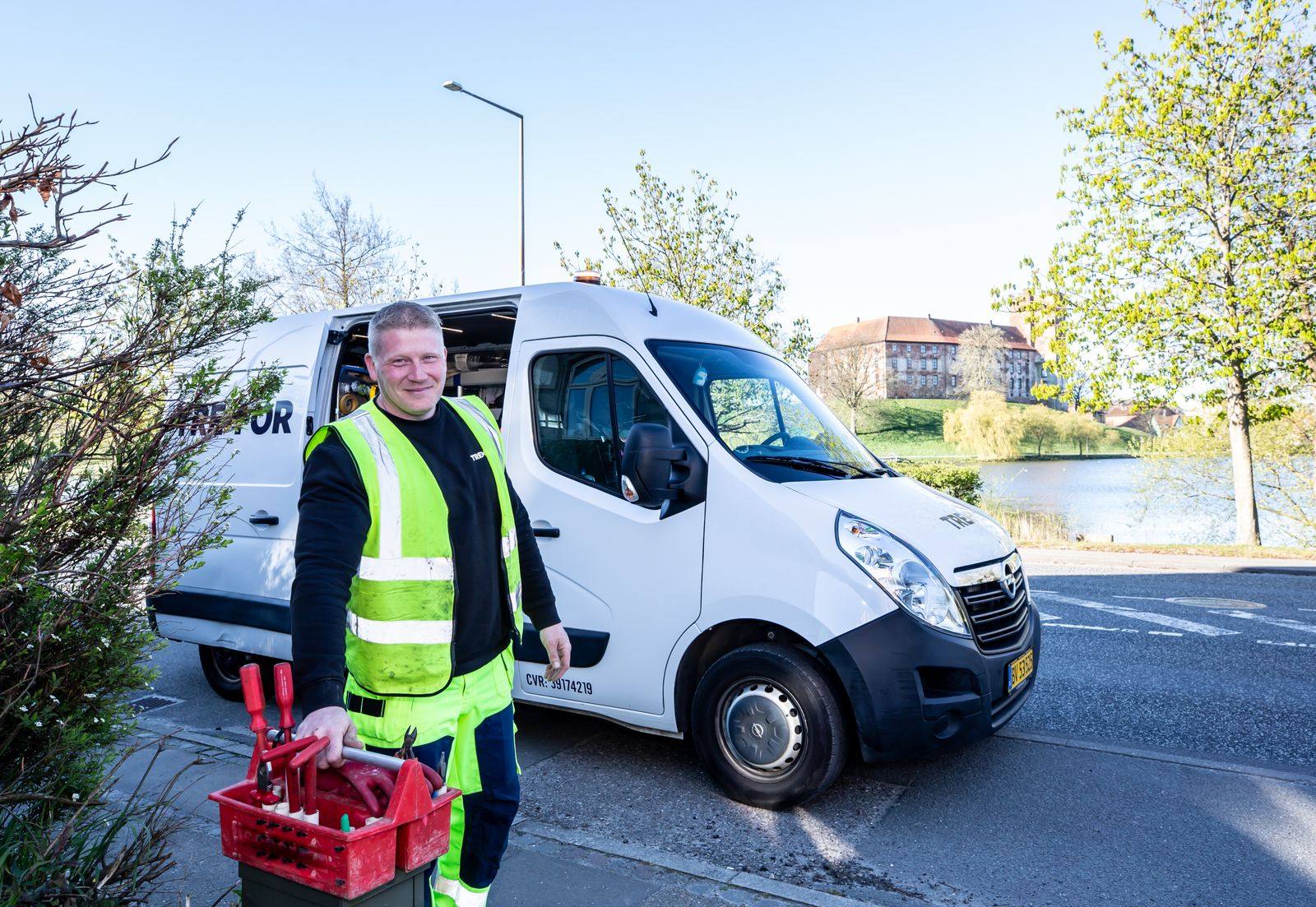
A tankless unit rethinks the whole idea of a water heater. There is no tank to keep hot, so there is no standby loss while you sleep or travel. When a faucet or shower opens, the unit senses flow and fires, heating water as it moves through a heat exchanger. The result is a continuous supply as long as demand stays within the unit's capacity, a compact footprint on the wall, and a lifespan that can be nearly double that of a typical tank. Homeowners in Suffolk, VA often choose tankless during a replacement or remodel for exactly those reasons.
The most important step happens before anything is installed. We total your peak demand in gallons per minute, such as a shower, a kitchen sink, and the dishwasher at once, and compare it against the temperature rise your incoming water needs in winter. That tells us the real capacity you need. Next we check the supply side. Gas tankless units fire at up to around 199,000 BTU, so a half-inch line that fed an old tank is often too small. Condensing models vent through PVC or polypropylene and need a condensate drain, while non-condensing units need stainless steel venting. Electric models are their own case, often needing multiple large breakers and sometimes a service upgrade.
Every tankless install from Suffolk Water Heater includes isolation service valves so future descaling takes minutes instead of hours, a clean gas connection with a sediment trap, correctly pitched and terminated venting, and a pressure relief valve piped to a safe location. If your water is hard, we talk through scale protection, since mineral buildup is what shortens tankless life most. We can add recirculation for faster hot water at distant bathrooms, set the temperature, handle permits where required, and walk you through maintenance before we leave. Reach out at (757) 317-9870 to plan a tankless water heater installation in Suffolk.
What homeowners call us about most is Water Heater Installation in Suffolk. That's the place to start for most homes.
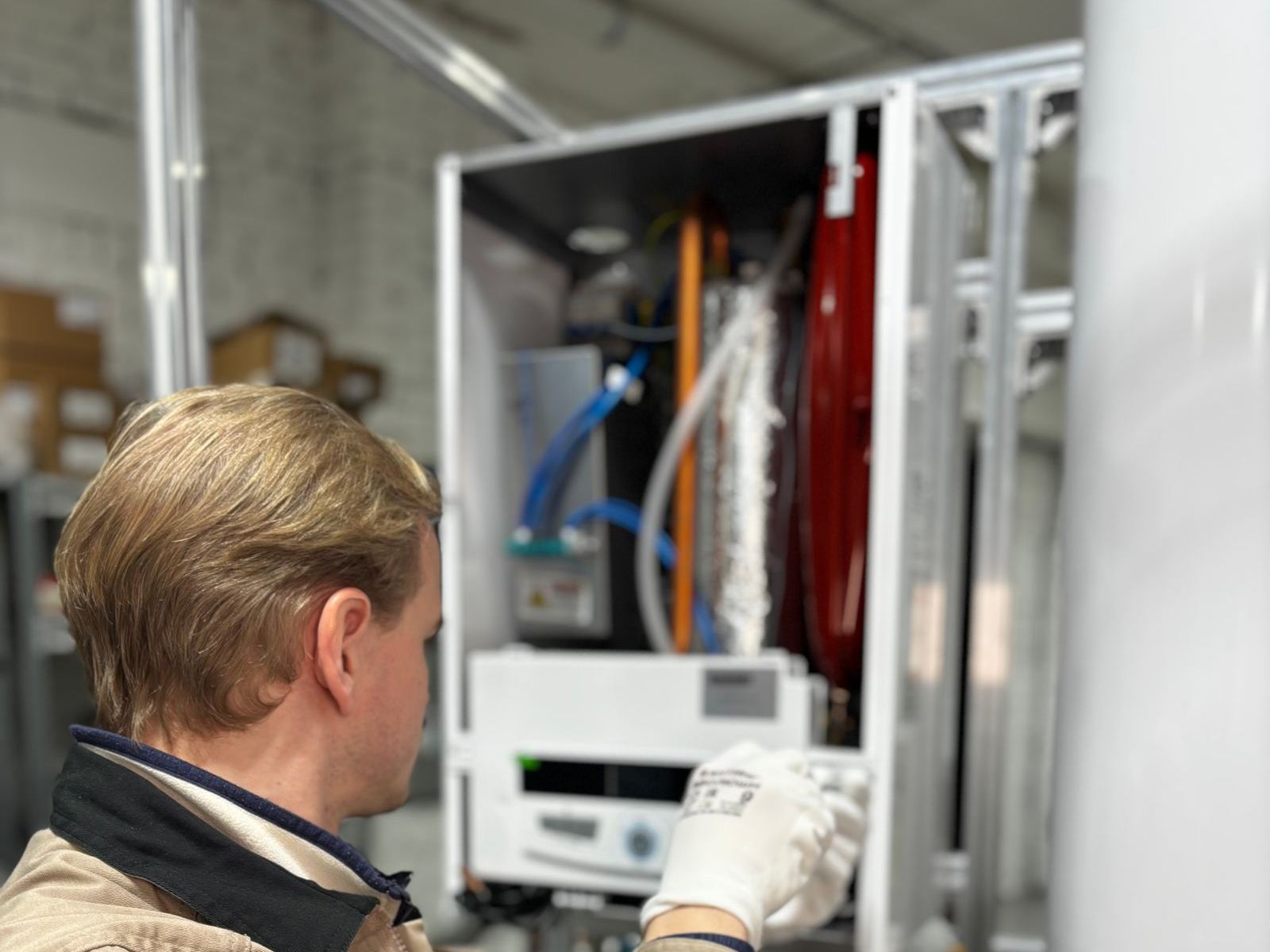
Symptoms That Mean It's Time to Call
Catching a symptom early is often the difference between a quick part swap and a tank that gives out on the garage floor. These are the red flags our technicians see most often before a breakdown:
- A home remodel or new build where the gas line and venting can be planned from scratch
- Standby losses on a tank that sits idle for long stretches
- A utility area where a bulky tank takes up room you would rather use
- Hot water running out during back-to-back showers
- Preferring a heater that can be repaired and maintained instead of replaced every decade
- An aging tank that has started to rust, rumble, or leak
- A distant bath or detached space that needs its own hot water source
- More people or more fixtures than your current heater was sized for
Small Symptoms, Big Consequences
A little rust-colored water or a relief valve that drips now and then can be the first hint of a tank that is close to the end. Don't wait. Get Suffolk Water Heater on the phone at (757) 317-9870 and we'll get a technician scheduled.
Water Heater Trouble? Call Us.
Our experienced technicians are standing by to help.
Get Help: (757) 317-9870Your Tankless Water Heater Installation Questions Answered
Why This Job Calls for a Pro
Tankless installation asks much more of a home than a like-for-like tank swap. A whole-home gas unit can demand several times the gas flow of a standard tank, and running it on an undersized line causes ignition faults and inconsistent temperatures. Venting is equally specific: condensing units use plastic vent pipe and need a condensate drain, non-condensing units need stainless steel, and neither can simply reuse an existing tank vent in most cases. Electric tankless can require several dedicated high-amperage breakers, and mistakes with gas, venting, or high-amperage wiring carry serious safety consequences.
Our technicians handle the full picture. We size the unit by flow rate and winter temperature rise instead of guessing, verify gas supply at full fire, and install venting and condensate lines exactly to specification. Every install gets isolation valves for easy descaling and a properly piped relief valve. We also give honest advice about whether tankless suits your home at all. For some households, a high-efficiency tank or a heat pump water heater makes more sense, and we will say so before you spend money on a system that does not match how you live.
From Your Call to Hot Water
We work through a clear, repeatable process so you always know what's happening and what it will cost. Here's the short version:
Flow Rate & Temperature Rise
We total the fixtures you run at the same time in gallons per minute and factor in winter inlet temperature, so the unit keeps up on the coldest days.
Infrastructure Review
We confirm the gas line and meter can feed the burner's full BTU demand, plan the right venting, and check the panel for electric units before any price is set.
Clean, Code-Minded Installation
Every connection follows the manual and local code: gas, venting, relief valve discharge, condensate, and isolation valves for future maintenance, with permits handled where required.
Full-Flow Testing & Walkthrough
Startup includes a full-flow test, a gas pressure check with the burner at high fire, a leak check on every joint, and a plain explanation of settings and maintenance.
Want a Professional Opinion?
Our technicians can assess your water heater and recommend the option that actually makes sense.
Call (757) 317-9870 TodaySimple Ways to Extend Your Water Heater's Life
A few simple habits, like an annual flush and a quick look at the relief valve, can add years to a tank. Here are our recommendations:
- Consider a water softener or scale-prevention filter if your water is hard
- Flush the unit with a descaling solution annually to keep scale off the heat exchanger
- In freezing weather, keep the unit powered and insulate exposed piping
- Check and rinse the small filter screen at the cold inlet periodically
- Set the temperature around 120F for safety and efficiency
- Write down any error codes and call early rather than resetting repeatedly
- Check the vent cap outside for nests, debris, or buildup
DIY vs. Professional Tankless Water Heater Installation
A few tasks, like checking the temperature setting or lifting the relief valve lever to test it, are fine for homeowners, but most water heater work involves gas lines, venting, 240-volt circuits, or a tank full of scalding water, and that belongs with a professional. Consider the following comparison:
| Consideration | DIY Attempt | Hiring a Pro |
|---|---|---|
| Capacity | Sized by the box, not your demand | Calculated for your coldest months |
| Gas Line | Undersized line starves the burner | Piping sized to the burner |
| Exhaust | Exhaust risk from improper venting | Condensing or stainless venting done properly |
| Power Needs | Wiring undersized for the load | Panel and circuits confirmed before install |
| Maintenance Access | No isolation valves, so descaling is a hassle | Built for easy annual service |
| Outcome | Possible warranty and permit problems | Steady hot water at real demand |
Book a Visit Today
Get your hot water back before a small fault turns into a flooded floor. Suffolk Water Heater is ready to respond fast.
Call (757) 317-9870 NowAreas We Serve for Tankless Water Heater Installation
Our technicians handle tankless water heater installation throughout Suffolk and the surrounding communities, with the same upfront pricing everywhere we work.